
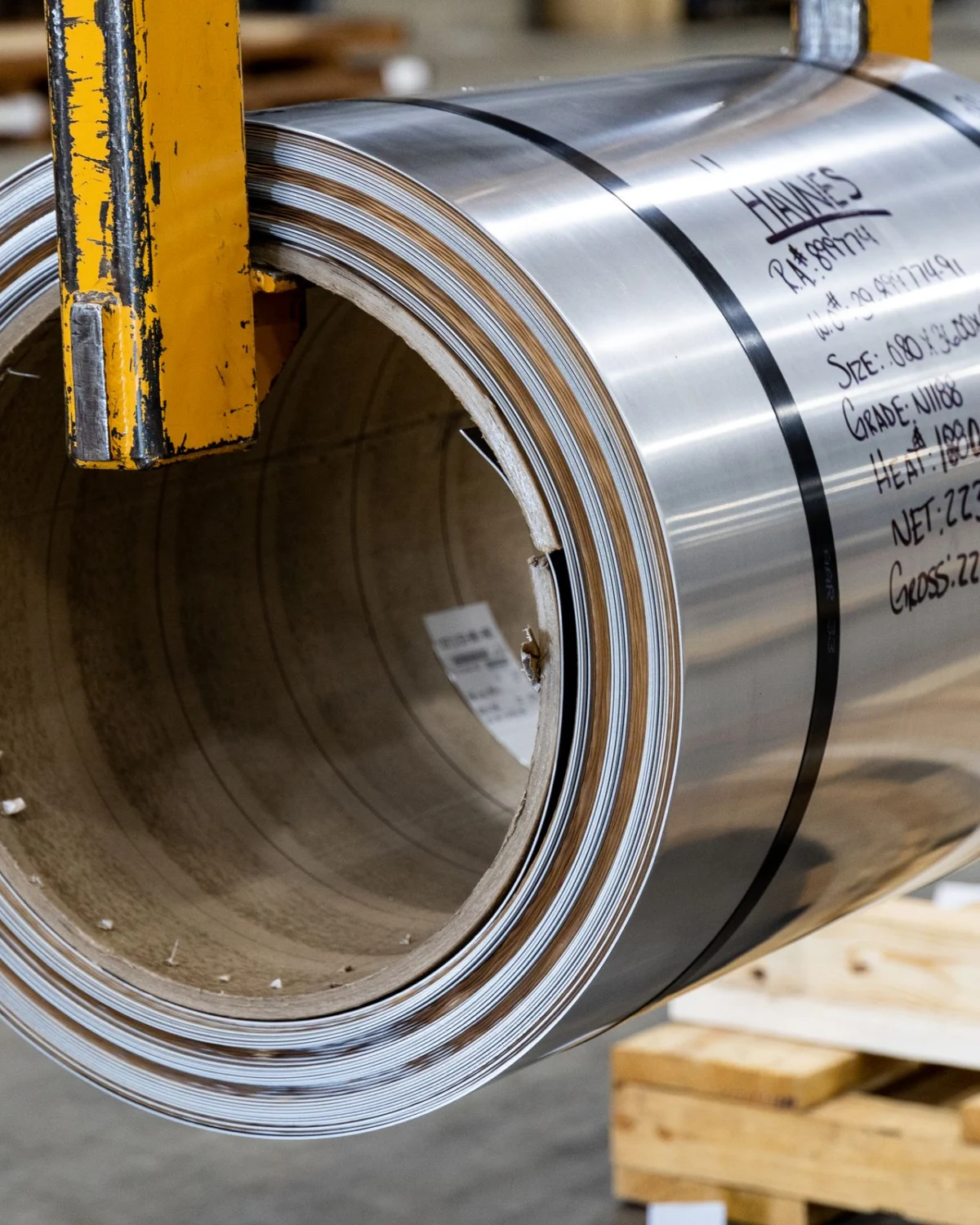
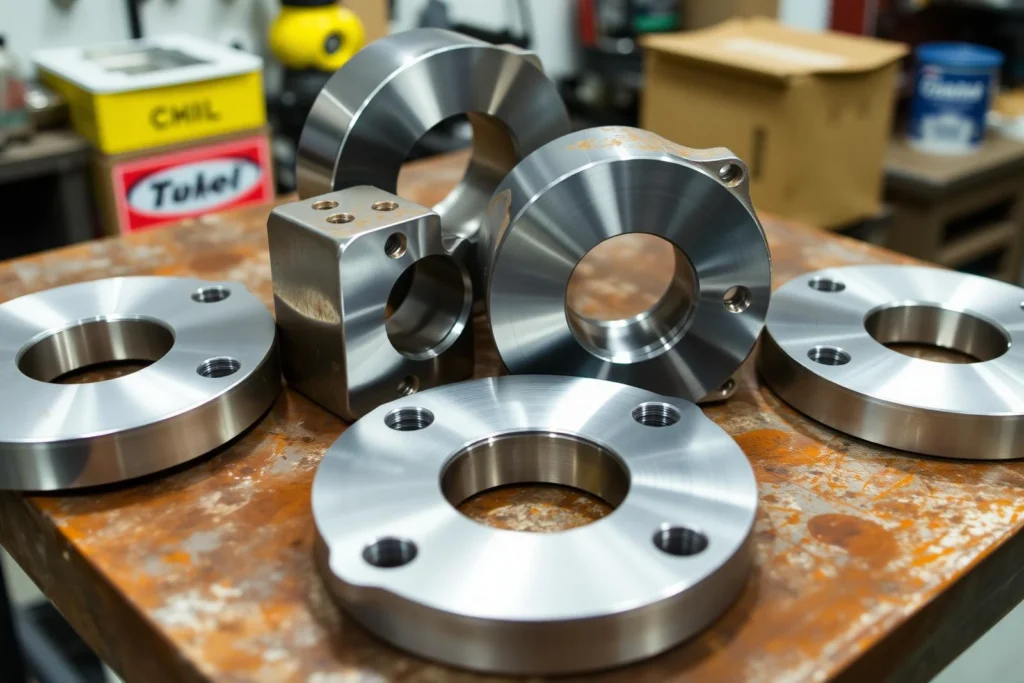
One of the first questions we’ll ask is simple: What kind of metal are we protecting?
Different metals require different approaches to corrosion prevention. Steel doesn’t necessarily need the same protection as brass or copper. Even different types of steel can behave differently, including how quickly they begin to flash rust.
From there, we look outward.
Where is the part going? How long does it need protection? Is it indoors or outside? What temperatures and environmental conditions will it encounter? Will parts be touching during storage or transportation? Does the customer receiving the part have its own specifications?
And just as importantly, what happens next?
Protection between manufacturing steps is different from protection during months of storage. We look at the part’s entire path to determine what level and type of corrosion inhibitor makes sense.
When a product that has worked successfully for years suddenly stops producing the same results, changing the rust preventative may seem like the obvious solution.
But the product may not be what changed.
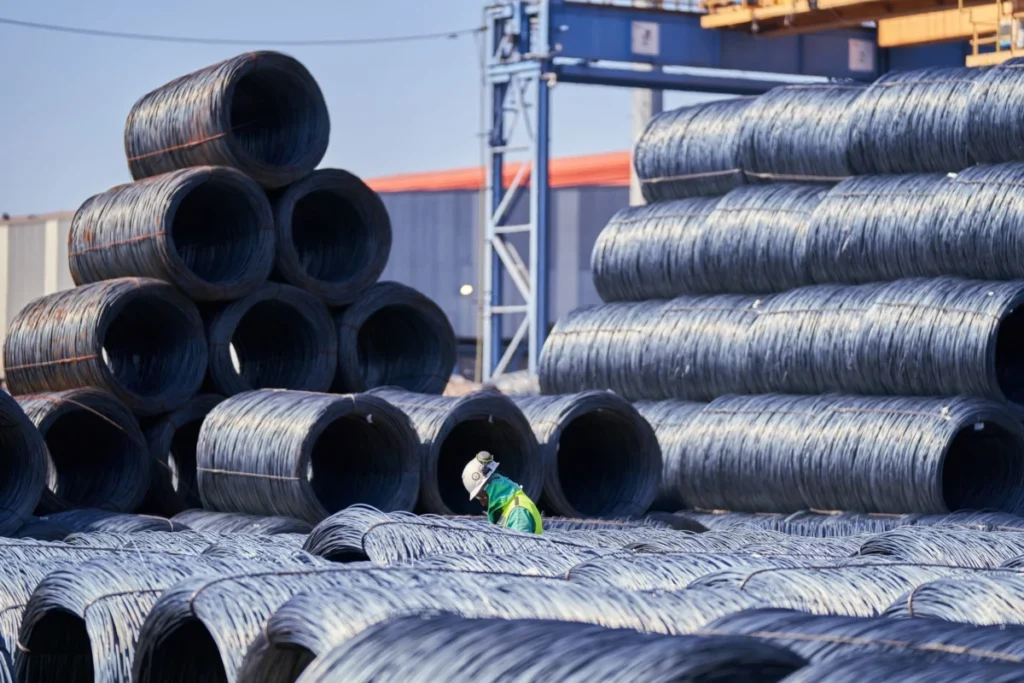
One Comet customer began seeing white corrosion appear on bales of metal wire despite using the same preventative it had relied on successfully for years.
We worked through different possibilities with the customer, but the problem continued.
Eventually, the investigation led somewhere else entirely.
Another building at the facility housed a galvanizing operation. Large doors that hadn’t previously been left open were now being opened, allowing airborne chemicals from that process to travel toward the metal.
A change elsewhere in the plant had changed the environment around the product.
It’s a good example of why we don’t want to respond to every corrosion problem by simply recommending another drum of rust preventative.
We want to know what’s causing it.
Corrosion protection isn’t necessarily better simply because it lasts longer or leaves a heavier film.
The appropriate level of protection depends on what the part will encounter.
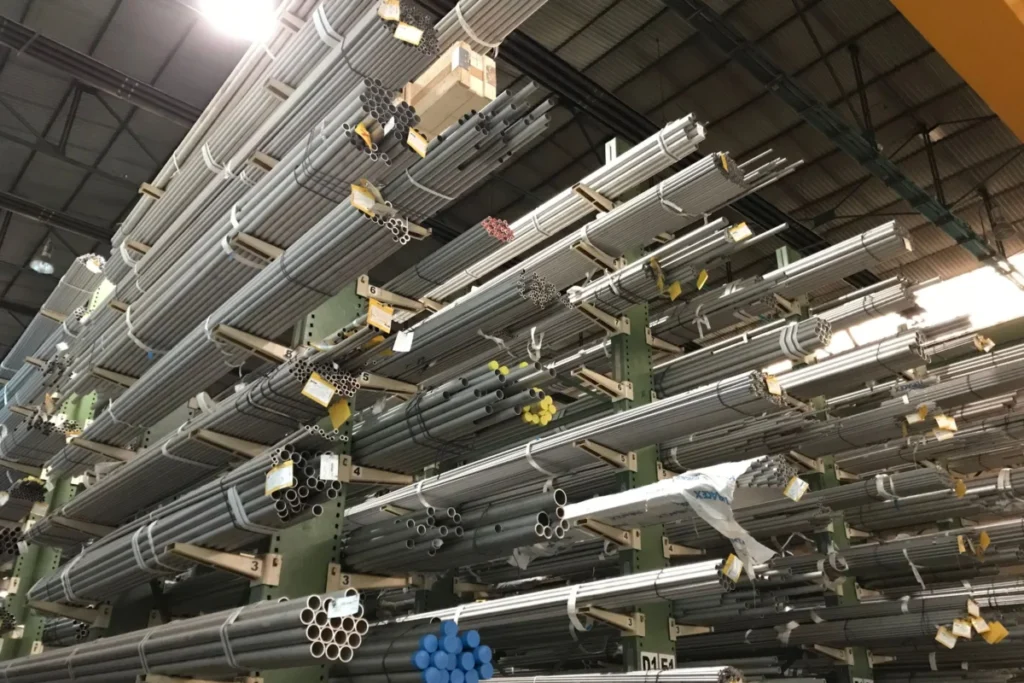
Something moving between manufacturing operations may need relatively short-term protection. A finished component sitting outdoors or remaining in storage for months has different requirements. Parts traveling overseas may face prolonged transit, changing climates, moisture, and other conditions that weren’t present on the production floor.
Customer requirements can change, too.
A part that once moved quickly from production to final use may suddenly need to remain in storage longer. An indoor storage process may move outdoors. A customer may change its packaging or shipping requirements.
When the conditions change, the rust and corrosion protection may need to change with them.

A part that leaves your facility in perfect condition still has to arrive that way.
Transportation introduces variables that aren’t always present during manufacturing or indoor storage.
Parts may experience humidity, moisture, temperature changes, extended storage periods, or exposure to marine environments during overseas shipping. They may also move or make contact with one another in transit.
That last detail can be especially important.
If corrosion develops where metal components touch inside a container, the solution may involve more than applying additional oil. In some applications, VCI paper or another vapor-phase product can be placed between components to provide additional protection.
That’s why we want to understand not only how the part is protected, but how it is packaged and where it is going.
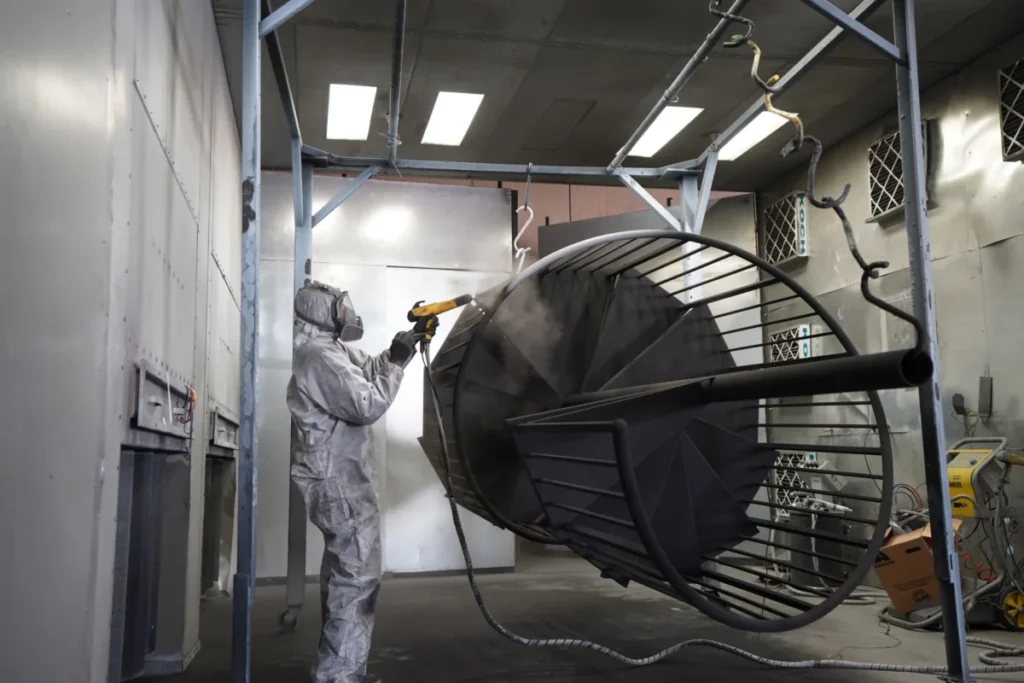
Rust prevention doesn’t happen in isolation from the rest of production.
Suppose the protected part needs to be painted.
If you’re protecting thousands of parts that will eventually be painted, removing the preventative isn’t a minor detail. It’s part of the production process.
A product that can be washed away with water creates a different workflow than one that requires another chemical or solvent. That’s why we want to know what happens next before recommending what goes on the part now.
The same is true when welding or high-temperature machining comes next. Flash point and other product characteristics may affect whether a particular preventative is appropriate.
We want to understand the next step before recommending what goes on the part now.

Spray it. Dip it. Brush it. Paint it.
The appropriate application method depends on the product and the part.
Spraying a lighter preventative may provide relatively even coverage across different surfaces. Dip tanks can thoroughly coat parts but may create a messier process. Brushing or painting can make sense for certain components, although it may require more time.
And more product doesn’t automatically mean more protection.
Overapplication can leave excess material dripping from parts, make storage or transportation messier, and create additional work if the coating has to be removed later.
We help customers consider coverage and application alongside the product itself.

Corrosion can have more than one cause.
If parts are rusting despite having a preventative on them, we may look at:
Sometimes we find that the existing product no longer fits the application.
Sometimes the application itself needs to change.
And sometimes a standard product gets most of the way there but needs to be adjusted for a particular environment, part, or process.
Comet offers specialized rust preventatives and can modify formulations for applications that require something different from a standard product.
The objective isn’t to change the chemistry simply for the sake of making something custom. It’s to solve the problem the standard product isn’t solving.